Teachers Who Lead
with Dr Ryan Dunn
Date
Webinar 1 - 26 March 2026
Webinar 2 - 23 April 2026
Webinar 3 - 7 May 2026
3.45pm - 5.15pm (Victoria time)
Workshop Cost
Non Member - $230
ACEL Member - $180
Combine and Save
$360
*Receive a discount when you combine your registration with a new ACEL membership
Overview
This online professional learning program is designed to build the capabilities of middle leaders in designing and implementing evidence-based approaches when supporting teachers to develop teaching expertise. The professional learning program will focus on contemporary approaches to leading implementation in educational settings.
Core outcomes for Middle Leaders
- Understand the emerging science of teaching expertise development
- Explore the essential elements of effective teacher professional learning
- Explore practical models of collaborative professional learning
- Adopt new ways of thinking and working based on based on contemporary middle leadership research
Program outline
Online Workshop 1 – Defining problems of practice
In this workshop, we will engage in practical strategies to diagnose the root causes, construct meaningful problems, and develop contextually responsive solutions.
- Planning from need: defining problems worth solving
- Clarify your improvement priorities and pathways for impact
- Developing a narrative for improvement
- Applying strategic thinking tools to your own change initiatives
Online Workshop 2 – Designing teaching solutions
A key aspect of many middle leadership roles is to support colleagues
to develop their teaching expertise. In this workshop, we will explore what needs to be in place to bridge the knowing-doing gap. Workshop two will focus on the following:
- Aligning solutions to problems of practice
- The importance of defining actionable teaching techniques
- How observing teaching techniques can overcome the knowing doing gap
- The power of video models
Online Workshop 3 – The power of shared curriculum resources
Shared curriculum resources not only ensure consistency across classrooms
but also promotes a sense of community within the team. In workshop 3, we focused on the following:
- How shared curriculum resources reduce teacher workload and minimise variance across classrooms
- Examples on how to foster collaboration and consistency by developing shared curriculum resources
- How a high-quality curriculum influences high-quality teaching
- The importance of scaffolding learning through intentionally sequenced units
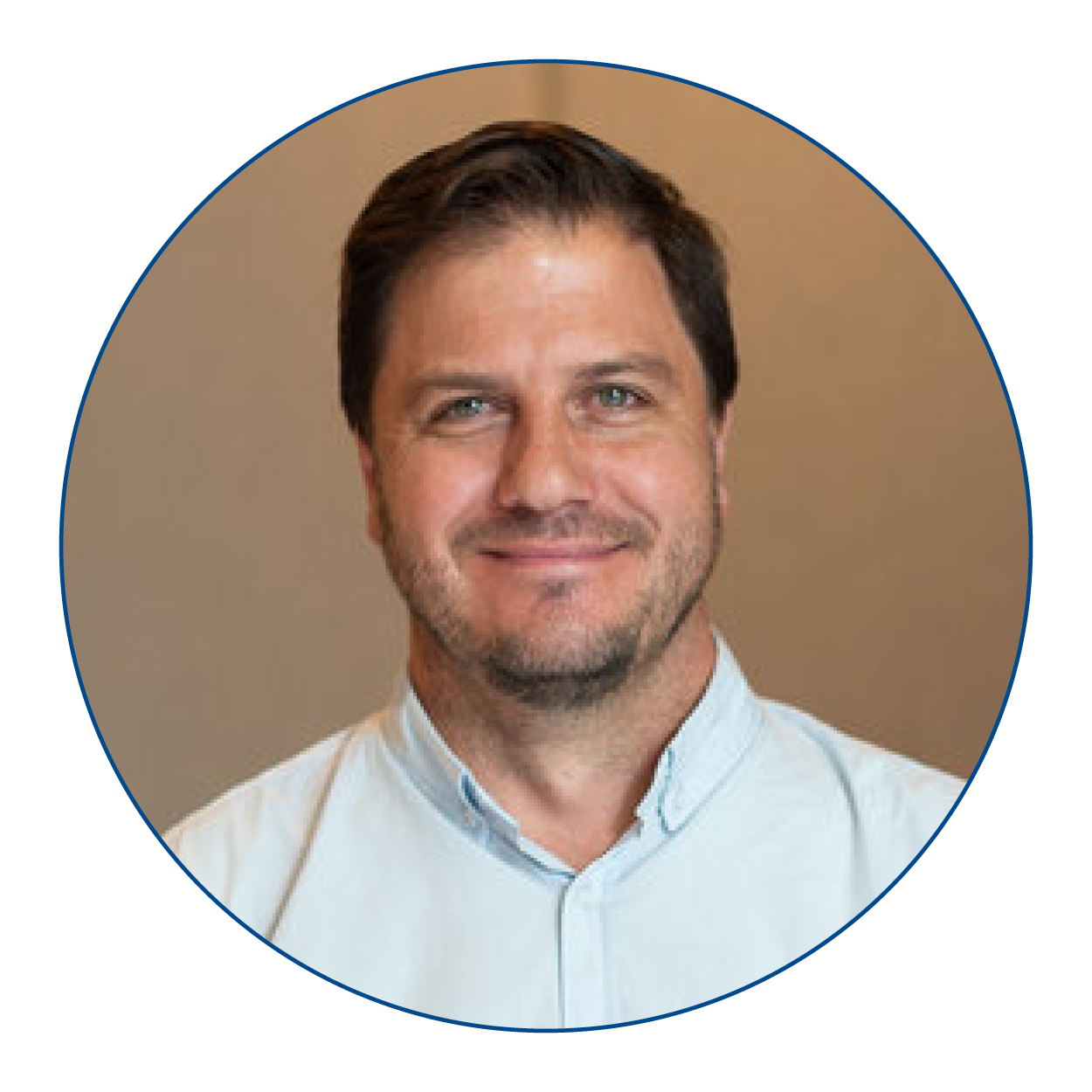
Dr Ryan Dunn
Ryan Dunn, PhD, has twenty years’ experience as an educational leader, teacher, and researcher. Ryan has advised schools and systems in the United States, Canada, Singapore and Australia to develop innovative educational solutions. He has worked extensively in the United States, where he led large-scale research and professional learning initiatives in New York City and California. Ryan is a senior lecturer at the University of Melbourne, where he focuses on teacher professional learning, educational leadership, middle leadership, and implementation science.