The concurrent presentations and workshops at the ACEL National Inclusion and Disability Conference will bring the 2026 theme, ONE GOAL, MANY VOICES; BUILDING INCLUSIVE EDUCATION TOGETHER, to life. Curated by Australian Council for Educational Leaders, the program highlights practical strategies, contemporary evidence, and real examples of inclusive education from voices across Australia.
You’ll hear from educators, leaders, researchers, and specialists committed to strengthening belonging, access, and success for every learner. We invite you to explore the abstracts and presenter biographies below to plan a program that best aligns with your interests and professional needs.
CONCURRENT SESSION 1
Monday 25 May 2026
14.15 - 15.00
Co-Location with Purpose: Leadership, Inclusion and System Responsibility
Room: Balcony 1+2
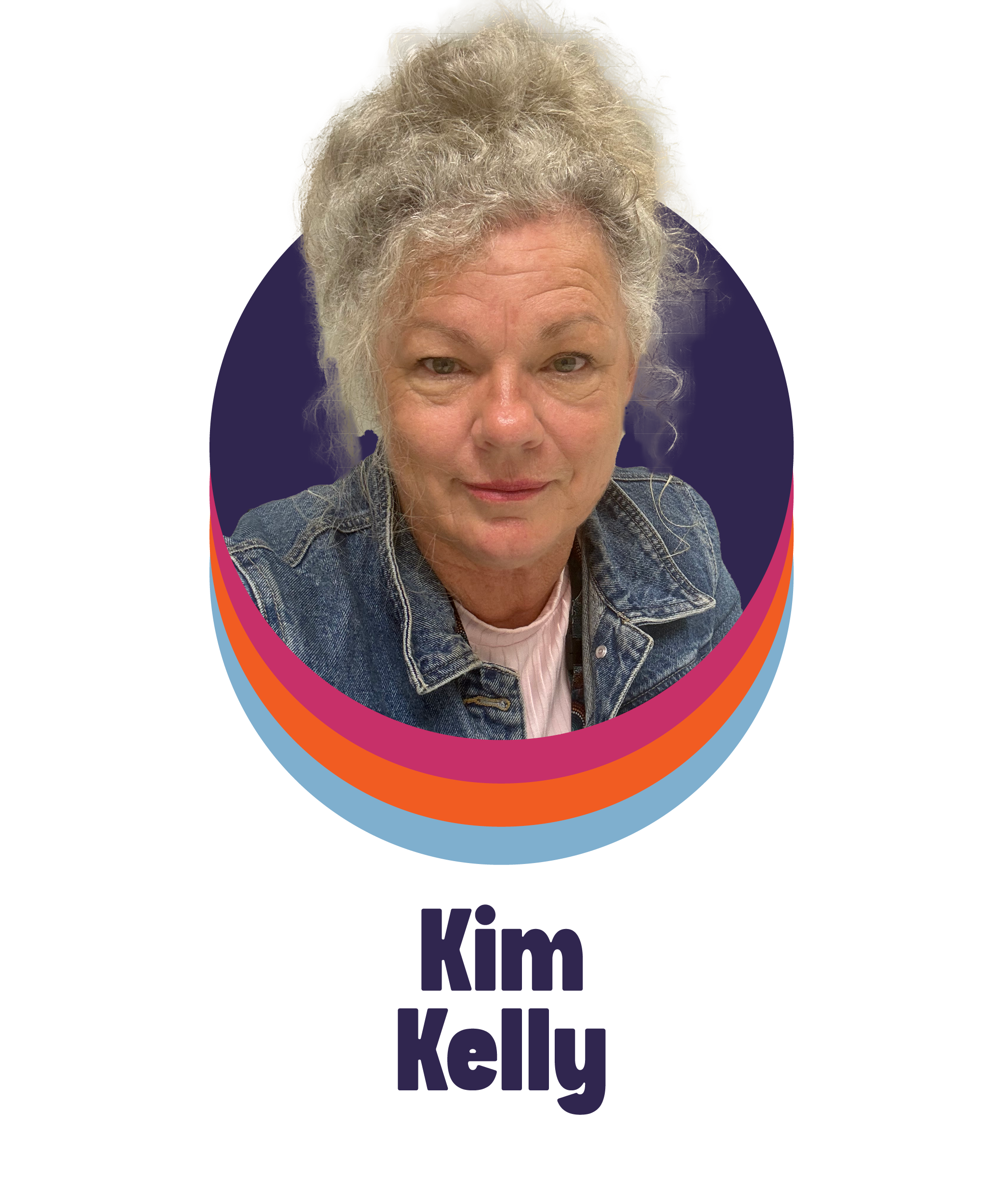
Kim Kelly has worked for more than 40 years in special education in Queensland. Her career includes 24 years as Head of Special Education Services, leading Early Childhood Development Programs and primary school communities to deliver highquality, inclusive education. Deputy Principal roles in special schools led to her principalship at Gympie Special School in 2017. In 2020, she became the foundation Principal of Lee Street State Special School, a purposebuilt secondary special school colocated with Caboolture State High School.
Kim’s recent leadership experience includes working as a statewide Principal – School Reviews, where she contributed to system-level improvement across Queensland. She now provides strategic leadership and guidance in the establishment and development of new special schools across the state, most of which are colocated with primary or secondary schools. Her work focuses on supporting Principals to plan for and deliver high-quality education in colocated settings, strengthening inclusive practices and ensuring students with disability experience meaningful belonging and engagement.
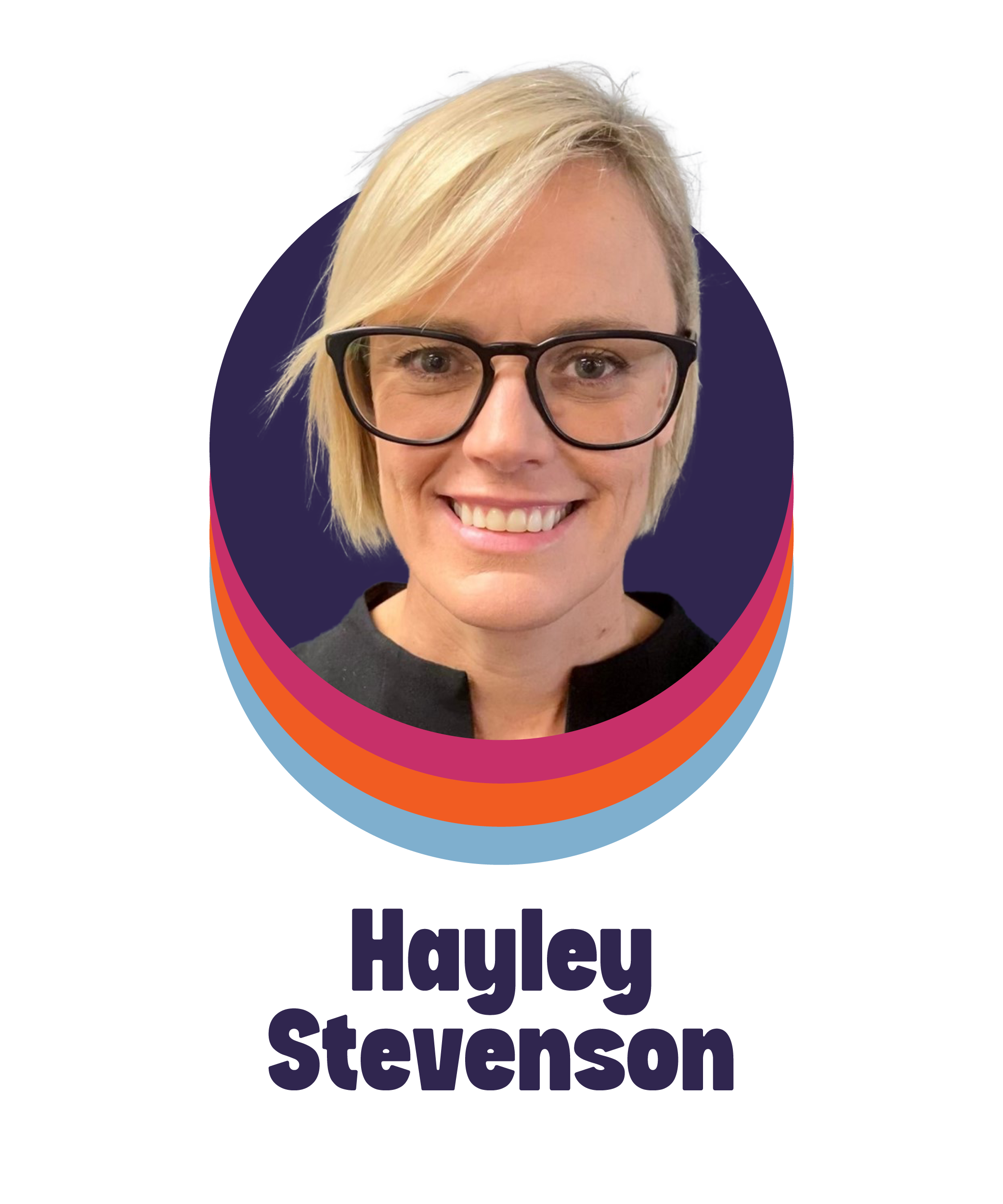
Hayley Stevenson is the Assistant Director-General, Student Support in the Queensland Department of Education. Hayley holds a Bachelor of Behavioural Science and an Executive Master in Public Administration.
Hayley leads the Queensland state school system policy areas of Disability, Student Protection, Engagement, Behaviour, Wellbeing and Youth Justice.
Hayley has worked in the Queensland Department of Education for the past 24 years and is committed to ensuring schools receive the support they need so that all students, regardless of their background, postcode or circumstances, can fully engage with high quality education and go on to lead successful and fulfilling lives.
As education systems pursue inclusive reform, co-location models—where special and mainstream schools share or operate on adjacent sites—are increasingly viewed as structural solutions to improve access and outcomes. Yet proximity alone does not guarantee inclusion or equity.
Drawing on QASEL’s Position Brief on Co-location and grounded in Queensland experience, this session explores the leadership conditions required to ensure co-location strengthens—not dilutes—provision for students with disability. It examines impacts on governance, identity, staffing, specialist expertise, resource allocation and student wellbeing.
The brief identifies key principles for effective co-location: preserving specialised expertise and identity; establishing clear governance and accountability; building workforce capability across settings; designing deliberate collaboration models; and ensuring student-centred transition planning.
Through case examples and leadership insights, participants will explore common tensions in co-located environments, including role ambiguity, cultural differences, community expectations and the risk of symbolic inclusion without structural change.
This session challenges leaders to move beyond infrastructure decisions towards relational, cultural and systemic leadership. Participants will leave with practical considerations to ensure co-location models advance system equity and deliver meaningful, sustainable inclusion.
Inclusion Outreach Coaching: Building Partnerships for Inclusive Education
Room: Ballroom A
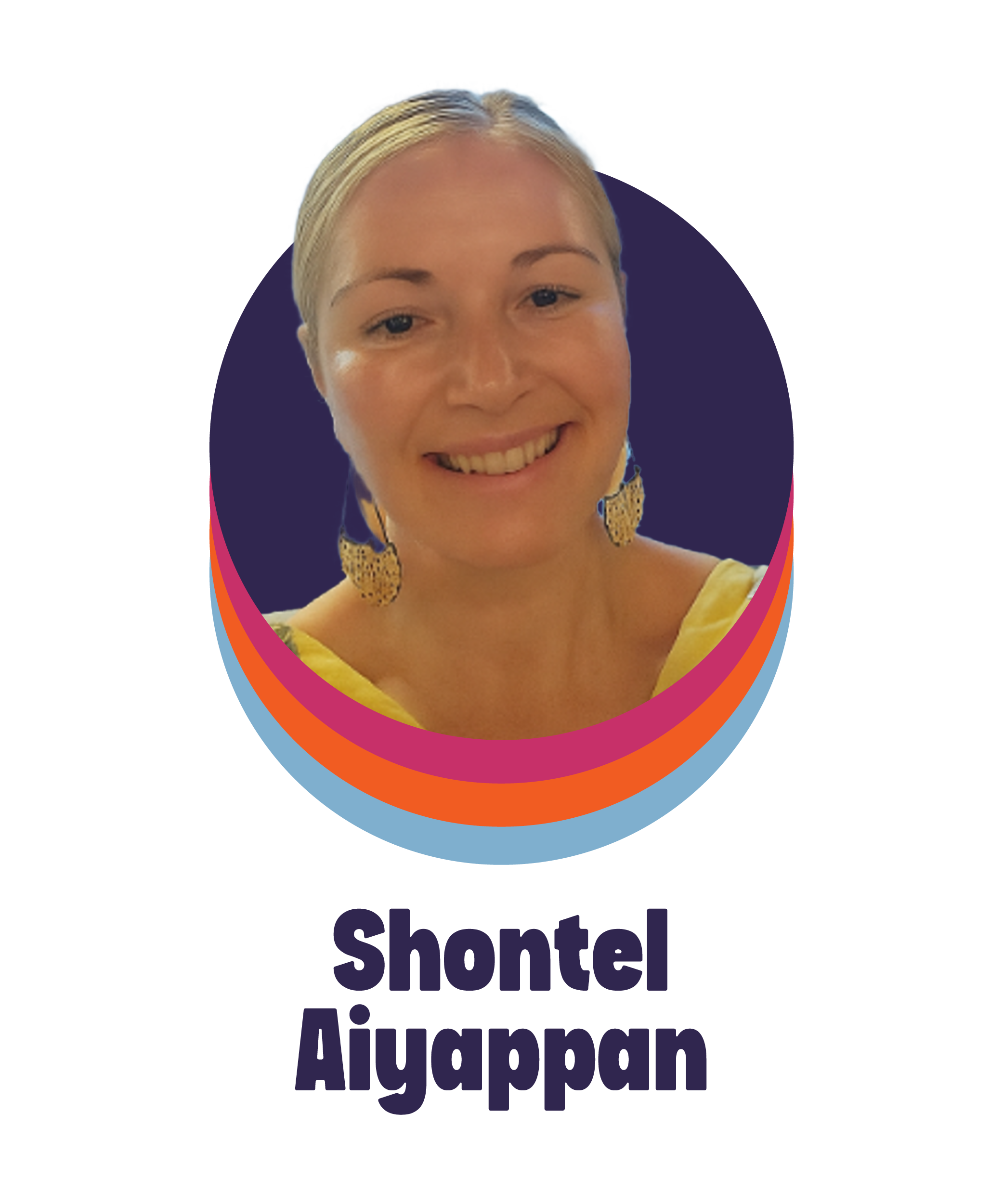
Shontel (she/her) is a passionate educator with over 18 years of education experience, specialising in inclusive practices and school-wide improvement. In addition to Teaching qualifications Shontel holds a Graduate Certificate in Mental Health and a Diploma in Leadership and Management. She is deeply committed to preventative approaches helping schools implement practices that remove barriers to enhance access to learning and improve student outcomes.
With a strong foundation in Specialist Education, Shontel has worked as an external School Wide Positive Behaviour Support (SWPBS) Coach, partnering with schools to embed sustainable, evidence-based practices that foster positive learning environments.
Currently serving as the Regional Coordinator of the Inclusion Outreach Coaching team, Shontel provides strategic coaching support to more than 20 Inclusion Outreach Coaches across the region.
Shontel brings a wealth of practical insight, systems thinking, and a collaborative spirit to empower educators and leaders to create inclusive, predictable and thriving school cultures.
Shontel (she/her) is a passionate educator with over 18 years of education experience, specialising in inclusive practices and school-wide improvement. In addition to Teaching qualifications Shontel holds a Graduate Certificate in Mental Health and a Diploma in Leadership and Management. She is deeply committed to preventative approaches helping schools implement practices that remove barriers to enhance access to learning and improve student outcomes.
With a strong foundation in Specialist Education, Shontel has worked as an external School Wide Positive Behaviour Support (SWPBS) Coach, partnering with schools to embed sustainable, evidence-based practices that foster positive learning environments.
Currently serving as the Regional Coordinator of the Inclusion Outreach Coaching team, Shontel provides strategic coaching support to more than 20 Inclusion Outreach Coaches across the region.
Shontel brings a wealth of practical insight, systems thinking, and a collaborative spirit to empower educators and leaders to create inclusive, predictable and thriving school cultures.
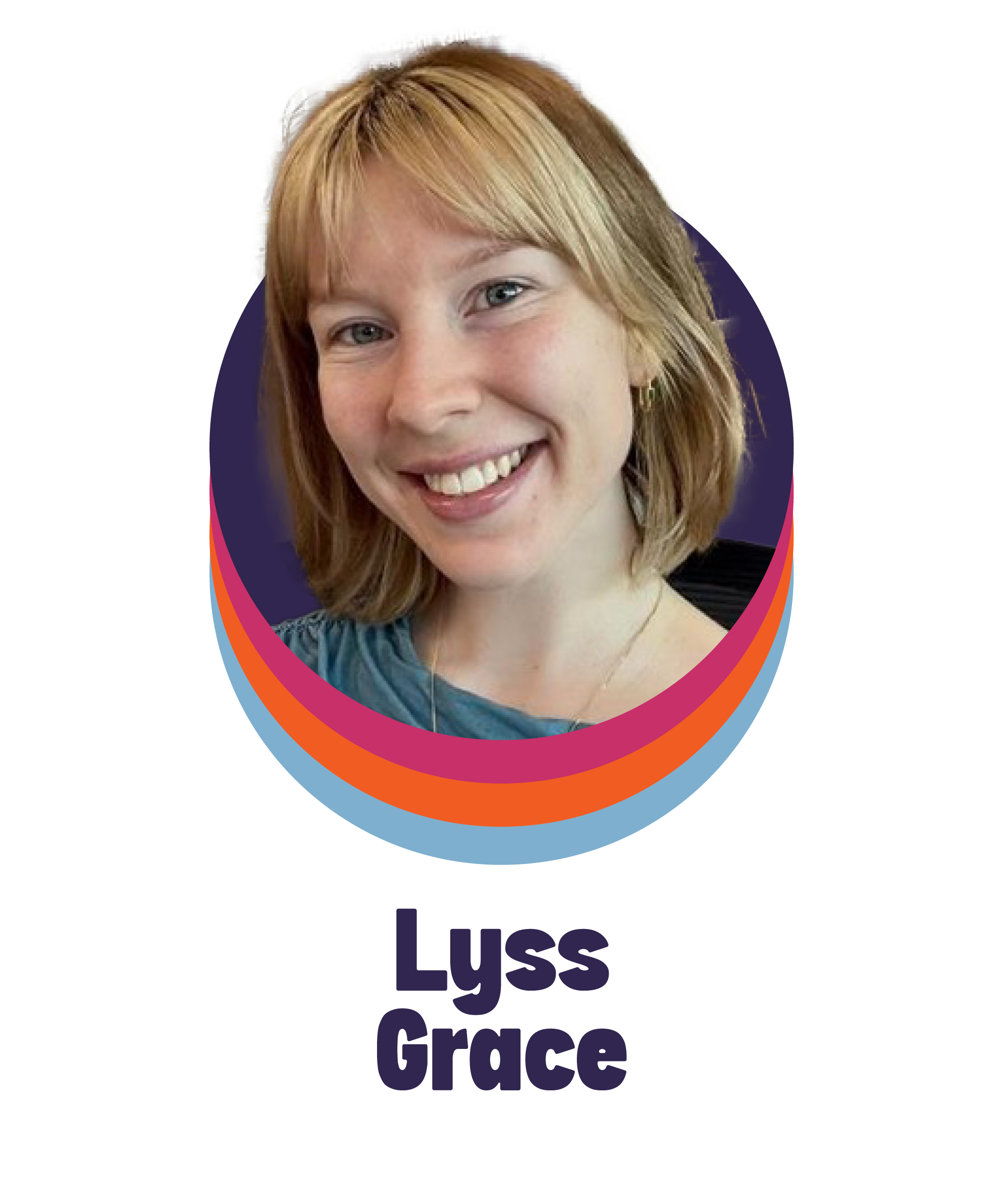
Lyss Grace (she/her) is a Program Advisor in the Inclusive Education Division at the Victorian Department of Education, where she supports the implementation and evaluation of the Inclusion Outreach Coaching Initiative. She works closely with regional teams and school leaders to improve access, participation, and outcomes for all students through strategic data collection, analysis and reporting that informs decision-making.
Lyss holds a Graduate Certificate in Education and brings a strong foundation in youth engagement through her experience at the Youth Affairs Council of Victoria, where she championed student voice and inclusive practice. Within the Department, she has contributed to cross-team collaboration, stakeholder engagement, and system-level improvement work focused on equity.
Passionate about creating environments where every student feels valued, safe and supported, Lyss combines practical insight with a collaborative, strengths-based approach to empower schools to build on their inclusive practices.
This interactive session features a case study following four Victorian schools on their journey through the Inclusion Outreach Coaching (IOC) process - from initial engagement to sustainability – highlighting practical strategies that strengthen inclusive practices. The schools represent a diverse mix, from small regional to large metropolitan mainstream settings, including a bilingual school.
Participants will gain:
- A clear understanding of IOC’s evidence-based approach to building capability of inclusive practice capability
- Practical strategies for building staff capability and sustaining change
- Insights from real school experiences and practitioner voices
Strengthening Inclusive Practice Through Effective Use of Teacher Assistants
Room: Ballroom C
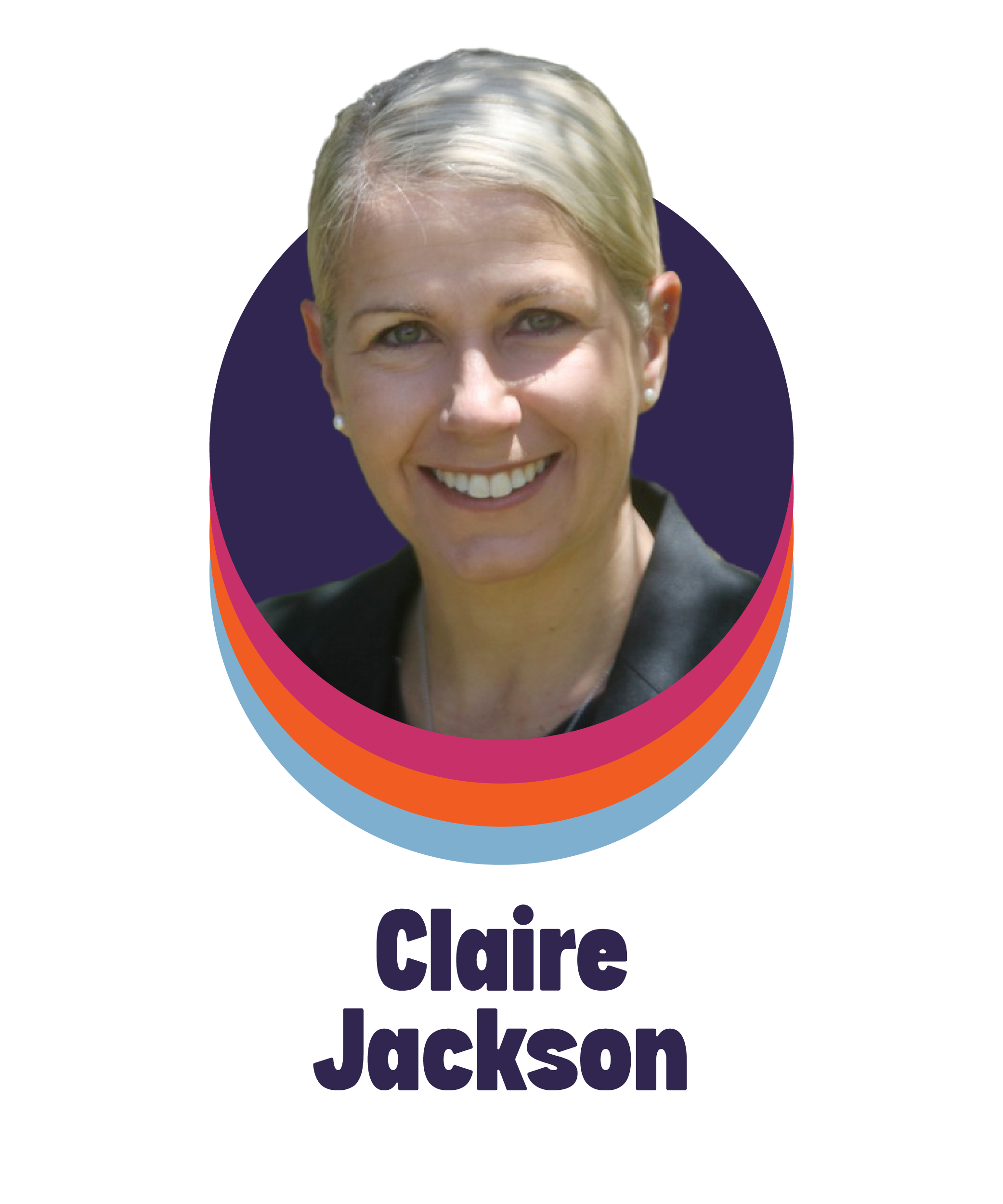
Claire has over 25 years of inclusive education experience, working as a teacher, school leader and education consultant in Western Australia, Victoria, and the UK. Her diverse teaching background spans Catholic, independent, government schools, and universities. She has taught in mainstream and alternative schooling settings, building educator capability and establishing evidence-informed inclusive processes and practices. Her work extends beyond schools, including a special provisions assessor role, and research and advisory positions.
She has contributed to national projects on the Nationally Consistent Collection of Data on School Students with Disability (NCCD), supporting the development of professional learning materials and digital resources for Australian schools that are housed on the NCCD portal. As a learning consultant for Melbourne Archdiocese Catholic Schools, she coached learning diversity teams and school leaders on the effective implementation of the NCCD.
In 2023, Claire completed a PhD at Monash University which examined the role teachers play in making best use of teacher assistants. She continues to facilitate workshops and review school support structures, and is an Associate Director at Deloitte Access Economics, engaging in inclusive education projects with a large team of economists, policy experts, teachers, and health professionals. Much of this work centres on reviewing and evaluating system-level initiatives designed to improve outcomes for diverse learners.
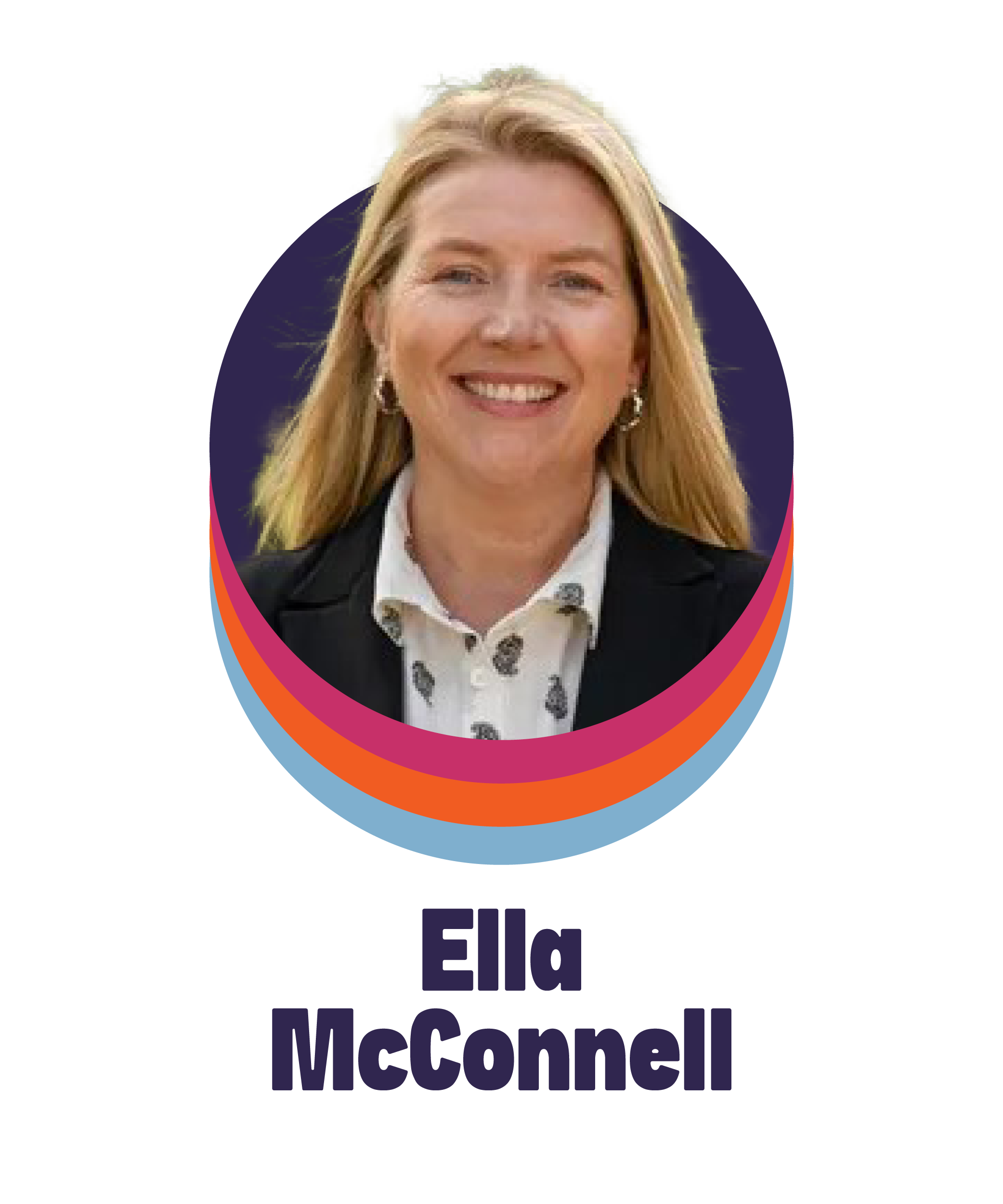
Ella McConnell is the Director of Inclusion and Wellbeing at John Paul College, leading a multidisciplinary team dedicated to creating an inclusive, supportive and thriving learning environment. Her team includes Learning Diversity teachers, Learning Support Officers, an Engagement Teacher, Counsellors, Wellbeing Assistants, a Cultural Liaison, the Gifted and Talented Coordinator and administrative support. Together, they work in partnership with students, families and staff to provide targeted, relational and holistic support that upholds each learner’s dignity and potential.
Ella brings more than 20 years of experience as a secondary teacher, educational leader and consultant across a range of settings, sectors and industries. She has specialised in inclusion, diversity, wellbeing and safeguarding, with a particular focus on designing equitable learning environments and driving the systemic change needed to strengthen student engagement and success.
Ella’s leadership is underpinned by extensive professional study. She holds a Bachelor of Arts, a Bachelor of Education and a Master of Organisational Leadership, as well as a Professional Certificate in Leadership Coaching and credentials from the Australian Institute of Company Directors.
Ella is guided by the belief that every student is capable of excellence. Her commitment is to foster learning environments that affirm identity, nurture wellbeing and unlock potential. She is passionate about building collaborative cultures where diversity is celebrated and every learner - and every member of her team - feels seen, supported and empowered to thrive.
Successful inclusive education depends on how schools mobilise collective expertise to ensure every learner experiences belonging, access and success. Teacher Assistants* (TAs) are central to this work, however, their impact is shaped not only by how clearly their roles are defined and how well they are supported to build their capability, but also by how effectively teachers plan for, direct and integrate their work - factors that are often beyond a TA’s direct control. Aligned with this year’s conference theme of One Goal, Many Voices; Building Inclusive Education Together, this session brings together research, system leadership, and school practice to explore how TAs can be positioned as valued contributors to inclusive education.
The session synthesises national and international research on effective TA deployment and examines what best practice looks like not only for TAs, but also for teachers in leading their work and collaborating with them. Insights from a current South Australian system-level pilot demonstrate how schools can be supported to strengthen TA effectiveness through collaborative professional learning and reflective processes. A school-based case example illustrates how the Australian Teaching Assistant Professional Standards (ATAPS) are being used to build capability, strengthen professional identity, and support career development in a Catholic secondary school in Victoria.
Across these perspectives, key lessons for effective implementation will be shared, including the importance of structured review and evaluation cycles to sustain improvement. Participants will gain practical strategies, implementation insights, and reflective tools to enhance the impact of TAs and strengthen collaborative, inclusive practice within their own contexts.
*TAs are known across Australian education systems by various titles such as School Services Officer (SSO), School Learning Support Officer (SLSO), Learning Support Officer (LSO), Education Support Officer (ESO), Learning Support Assistant (LSA), Education Assistant (EA), Education Support staff (ES), and Integration Aide.
Leading Inclusion at Woodridge State High School
Room: Ballroom B
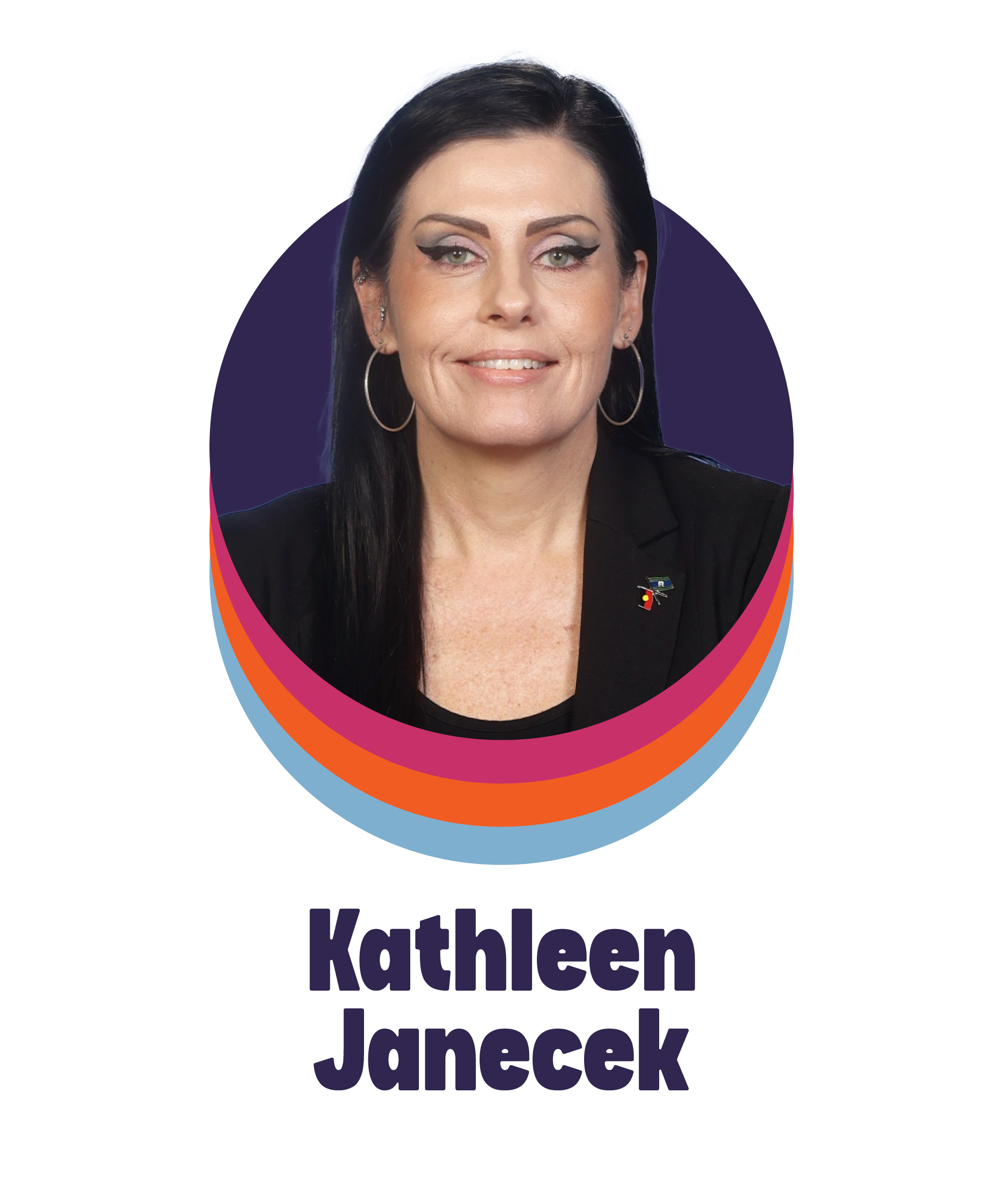
Kathleen is the Principal of Woodridge State High School in Logan City, leading within one of Queensland’s most diverse and rapidly growing school communities. She brings extensive experience in leading inclusive education, school improvement, and capability building, shaped by years of leading complex change in highneeds contexts.
Kathleen has led a significant schoolwide transformation from a heavily segregated model to a genuinely inclusive one, ensuring that every student has the opportunity to learn alongside their ageappropriate peers in heterogeneous classes. This shift has strengthened belonging and engagement, lifted expectations and student outcomes, and created a positive and inclusive teaching and learning environment where all members of the school community, feel confident, resilient and supported to thrive and excel.
Her leadership is characterised by clarity, strategic alignment, and a deep commitment to ensuring that systems, curriculum, and wellbeing structures work for every learner. She is known for translating complex policy into accessible, humancentred practice for staff and families, and for building the collective efficacy required to sustain meaningful change.
Kathleen is a strong advocate for procedural fairness, culturally responsive practice, and community partnership. Her leadership adds to the growing body of practice guiding schools to design inclusive environments that honour diversity, strengthen relationships, and create meaningful pathways for all young people.
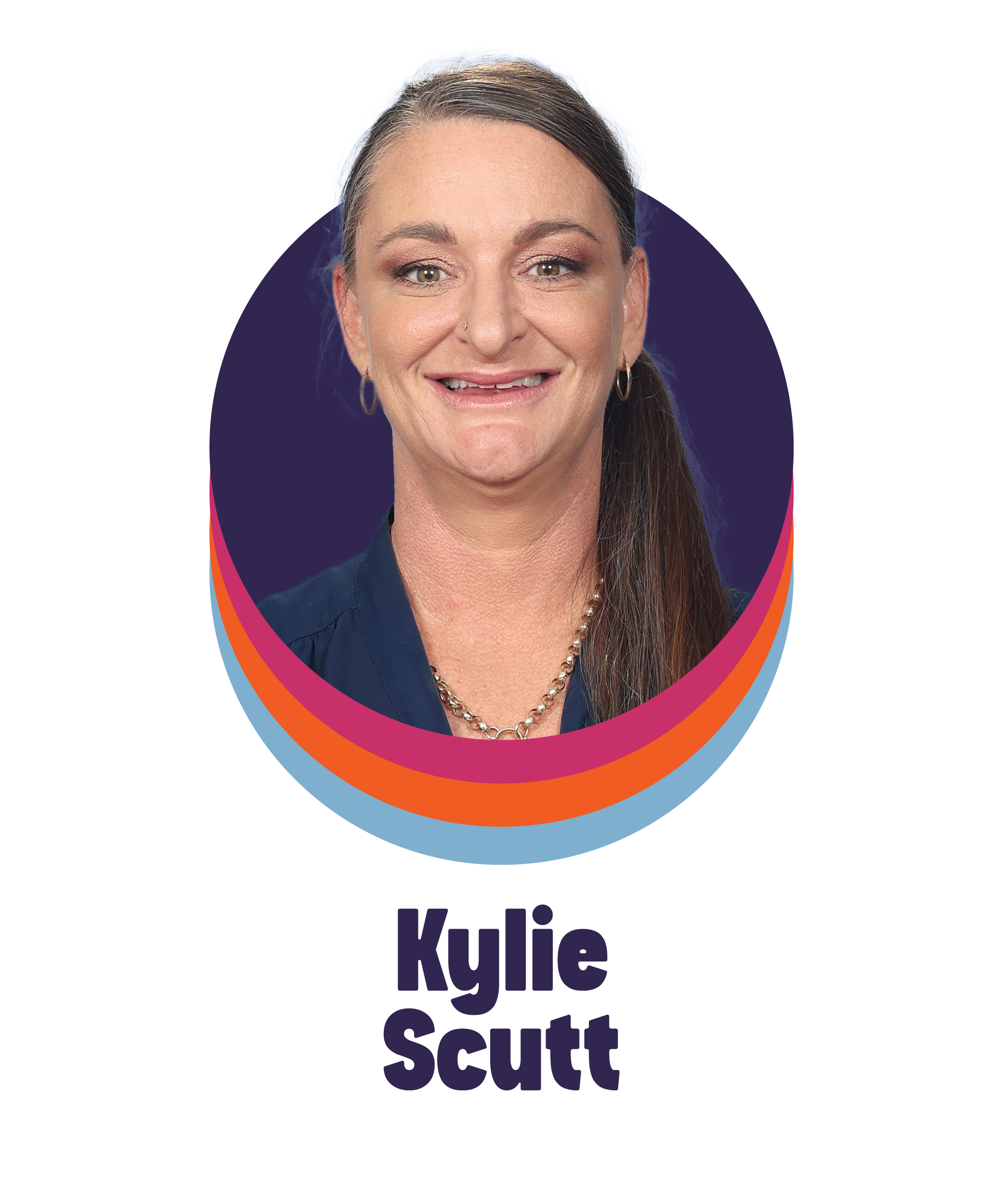
Kylie is a school leader dedicated to cultivating inclusive, highperforming learning communities where every student and staff member can thrive. Guided by her Leadership Credo of Growth, Accountability, Connected and Valued, and anchored in her unwavering belief in the potential of all students, Kylie leads with clarity, empathy and a strong moral purpose.
Her leadership focuses on building strong, collaborative teams, developing teacher capability and embedding a cohesive MultiTiered System of Support (MTSS) to remove barriers to learning and ensure equitable access to highquality education. Kylie is committed to growing instructional leaders and designing accessible, empowering environments where every learner—and every educator—is supported, challenged and valued.
Woodridge State High School’s journey toward inclusion reflects the power of collective leadership, shared purpose, and a steadfast belief in the potential of every young person. As one of Queensland’s most culturally diverse schools, WSHS has transformed its teaching, learning and wellbeing practices by centring inclusion and a shared belief in every student across its community, culture, systems and instructional frameworks.
This session explores how WSHS strengthens inclusion through aligned leadership, cohesive MultiTiered System of Support (MTSS), and a strong commitment to the growth of both staff and students. The school invests deeply in developing instructional leaders, building teacher capability, and creating collaborative structures that support consistent, high-impact practice across classrooms. Participants will gain insight into how these approaches reduce barriers to learning and elevate professional practice, offering practical guidance for school and system leaders seeking to lead inclusive transformation and design environments where all students - and all staff - can grow, contribute and thrive.
Autism Inclusion Teacher Initiative: Journey and Impact
Room: Balcony 3+4
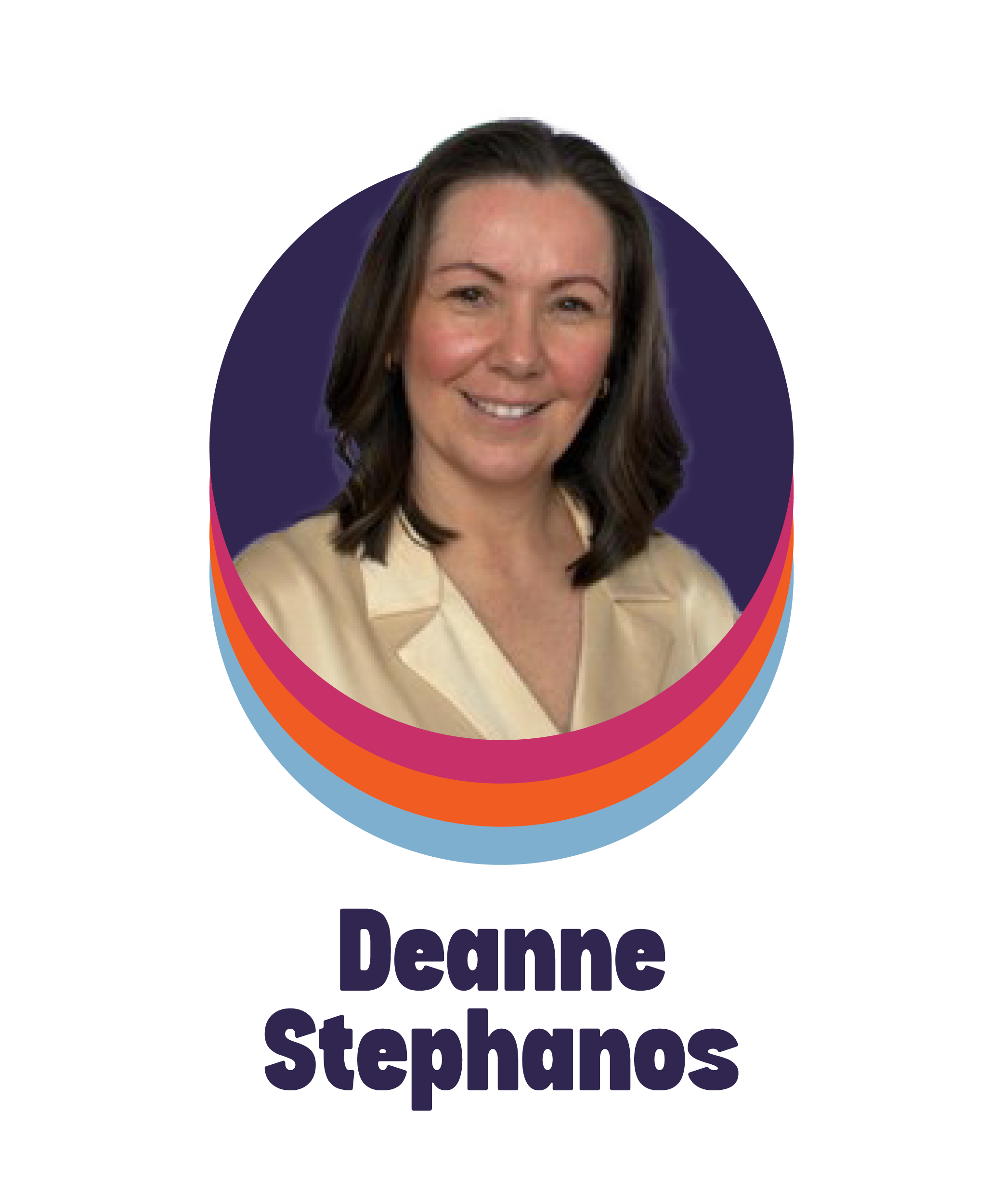
Deanne Stephanos is the Project Lead for the Autism Inclusion Teacher initiative: a state government initiative which supports over 440 primary schools in South Australia.
She brings extensive experience across public and private education settings in both South Australia and Victora, including over ten years in inclusive education advice and coaching.
Deanne combines deep knowledge of the South Australian education system with strong leadership experience, enabling her to support whole-site approaches to inclusive practice.
This presentation provides an overview of a worldfirst Autism Inclusion Teacher (AIT) initiative and key learnings from its initial threeyear rollout across over 440 public primary school in South Australia.
It will explore the intentional and unintentional impacts of the initiative, drawing on implementation experience and external evaluation insights.
The presentation will focus on the core factors that influence the impact and sustainability of inclusive practice, including:
- Leaders as drivers of inclusive change
- Neurodiversity-affirming practices that support autistic students feel included
- Connection as a foundation for collaboration and shared practice
- The value of diverse perspectives
Together, these key learnings offer transferrable insights and practical resources for leaders seeking to embed sustainable, inclusive practices at their context.
WORKSHOP SESSION 1
Tuesday 26 May 2026
09.00 - 10.30
Applying Universal Principles through Accessible Assessment Design
Room: Ballroom A
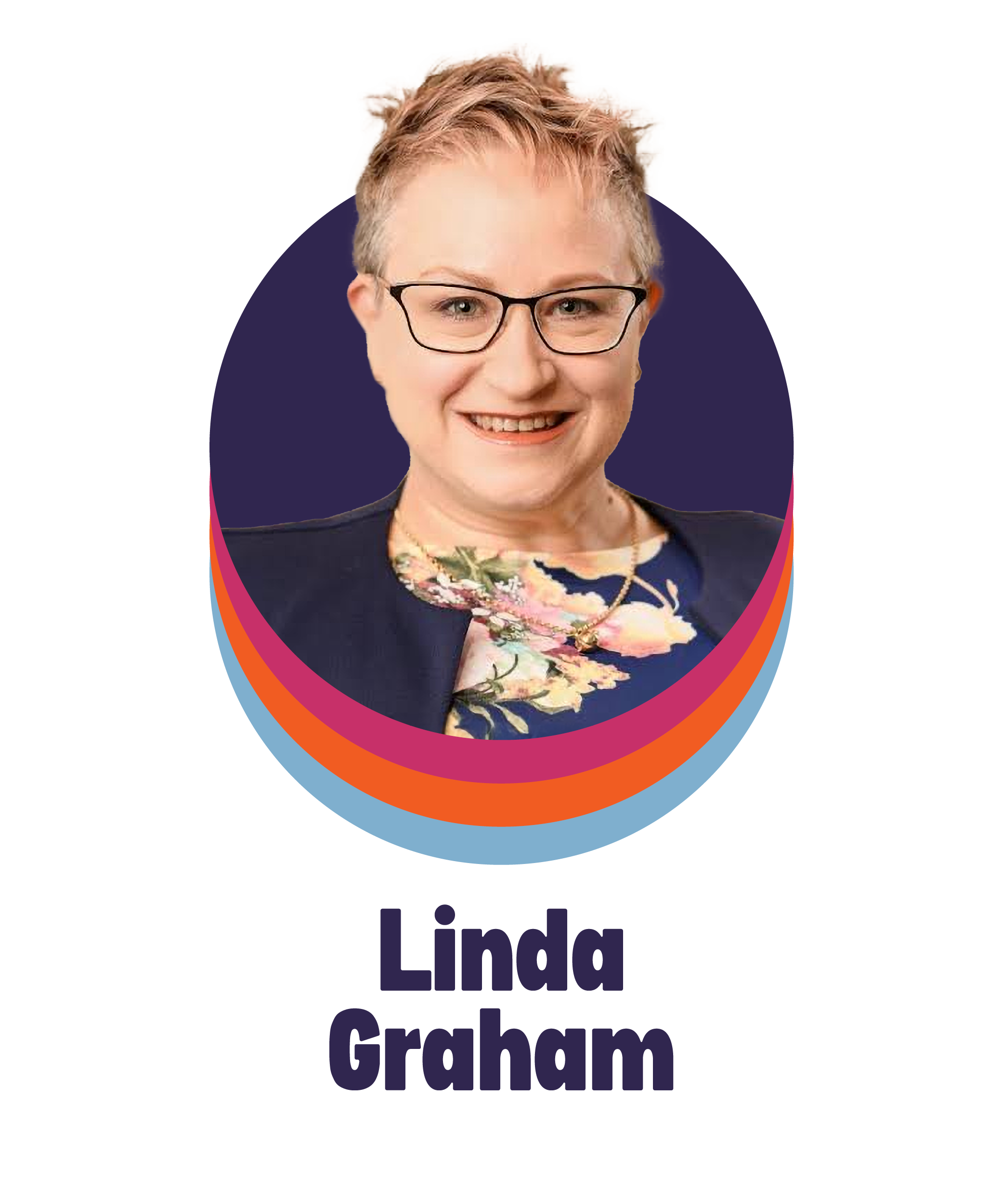
Professor Linda Graham is Director of The QUT Centre for Inclusive Education at Queensland University of Technology. She leads several externally funded research projects and has published more than 100 books, chapters, and journal articles, including the best-selling Inclusive Education for the 21st Century, affectionately known in schools as “The Pink Book”. Over the last decade, Linda has led a major program of research aimed at improving student experiences and outcomes by increasing the accessibility of assessment and pedagogy. This work is now detailed in a new book, Accessible Assessment and Pedagogies: Improving student outcomes through inclusive practice. Linda is now leading an even larger project with the aim of supporting schools to implement accessible assessment and pedagogies, at scale.
Student achievement in assessment is presumed to be an outcome of academic ability and the quality of classroom teaching. But what if it isn’t that simple? What if students’ assessment outcomes are impacted by something as simple as the accessibility of summative assessment task sheets? And what if there were some simple things schools could do to make assessment easier for students to understand and for teachers to teach? Well, now there are! In this interactive workshop, you will be introduced to world-leading research that significantly improved the summative assessment experiences and outcomes for both students and teachers, and have the opportunity to apply the Accessibility Design Principles from our “accessibility playbook”, Accessible Assessment and Pedagogies: Improving student outcomes through inclusive practice. We will conclude the workshop by sharing resources that you can use to begin improving accessibility in your school.
National guidance for best practice in inclusive education for autistic students
Room: Ballroom B
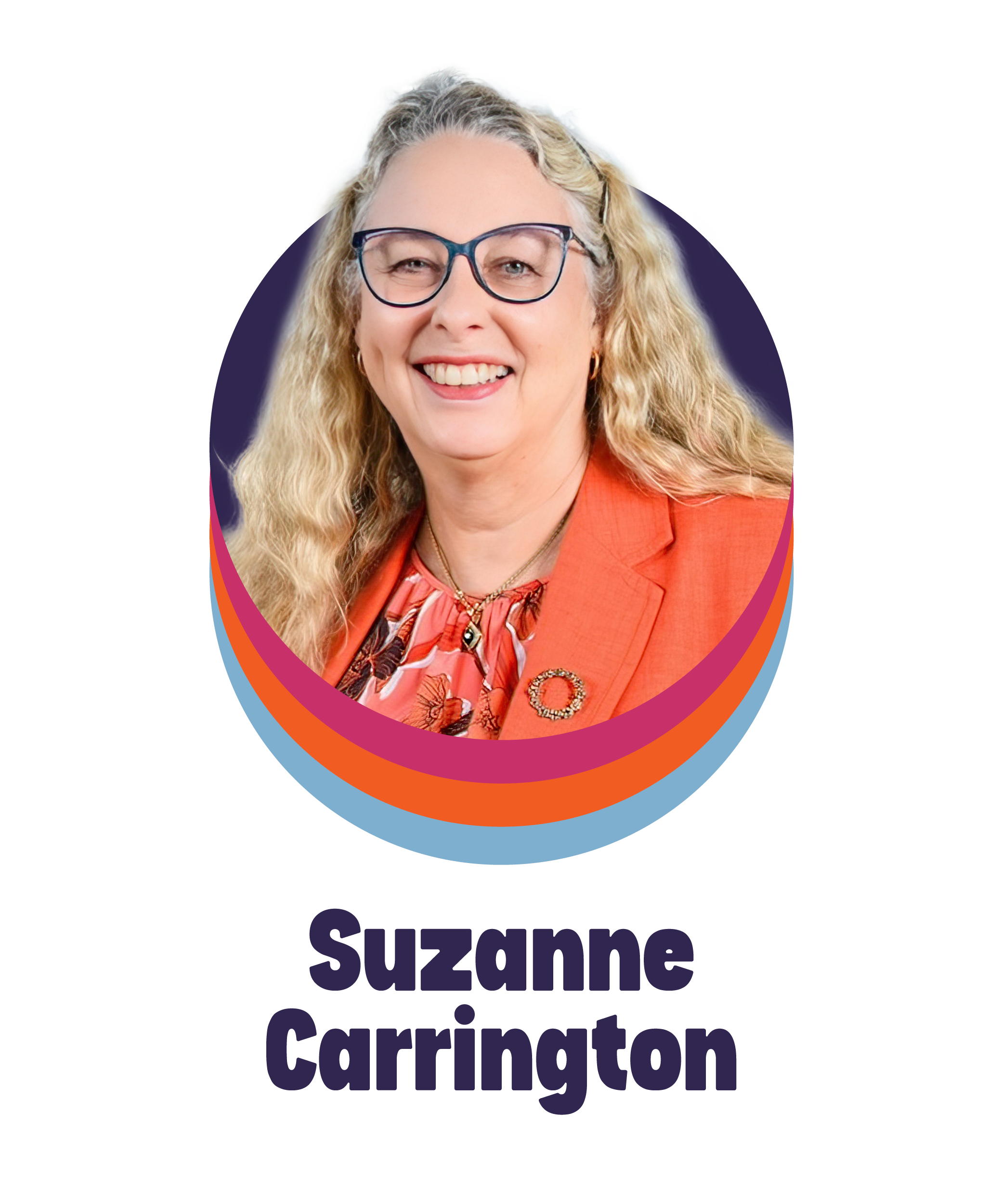
Suzanne is a Professor in the Centre for Inclusive Education, QUT Australia. She has 30 years of experience working in universities including teaching, research, international development, and various leadership roles. Suzanne’s areas of expertise are in inclusive education, ethical/transformative leadership for inclusive schools, disability and teacher preparation for inclusive schools. She has engaged in research with industry collaboration to inform policy and practice in Australian and international education contexts.
With her research colleagues, she has received over 5 million dollars in research funding. She has published over 100 journal publications, books, book chapters and research reports. She was the Program Director of the School Years Program for The Cooperative Research Centre for Living with Autism (Autism CRC) (2013-2022). http://www.autismcrc.com.au/.
This presentation will report on the Australian National Guidance for best practice in inclusive education for autistic students. The National Guidance is for schools and will provide evidence-based ways to support positive academic, social and wellbeing outcomes for autistic children and youth throughout their formal schooling in mainstream schools (pre-school to secondary, K-12). The National Guidance will provide a set of recommendations across four areas of significance in inclusive education for autistic students. These are:
- Pedagogy and teaching approaches
- Physical environment
- Student experiences (social relationships, identity, wellbeing and mental health)
- Collaboration, connections and leadership
The National Guidance is intended for teachers, educators, school leaders, medical and allied health professionals such as occupational therapists, psychologists and speech therapists. The aim is to help the people who work in mainstream schools know how to best support positive social, emotional and academic outcomes for autistic children and youth. The National Guidance draws on evidence from systematic literature reviews and mixed-method community consultations with multiple stakeholders including educators, school leaders, specialists, autistic students and parents and carers about the factors influencing inclusive education for autistic students in mainstream schools. The Australian research team comprises researchers from QUT, Griffith University and La Trobe University. This research was supported by the Australian Government’s Cooperative Research Centre for Living with Autism.
Principles of inclusive education resourcing
Room: Ballroom C
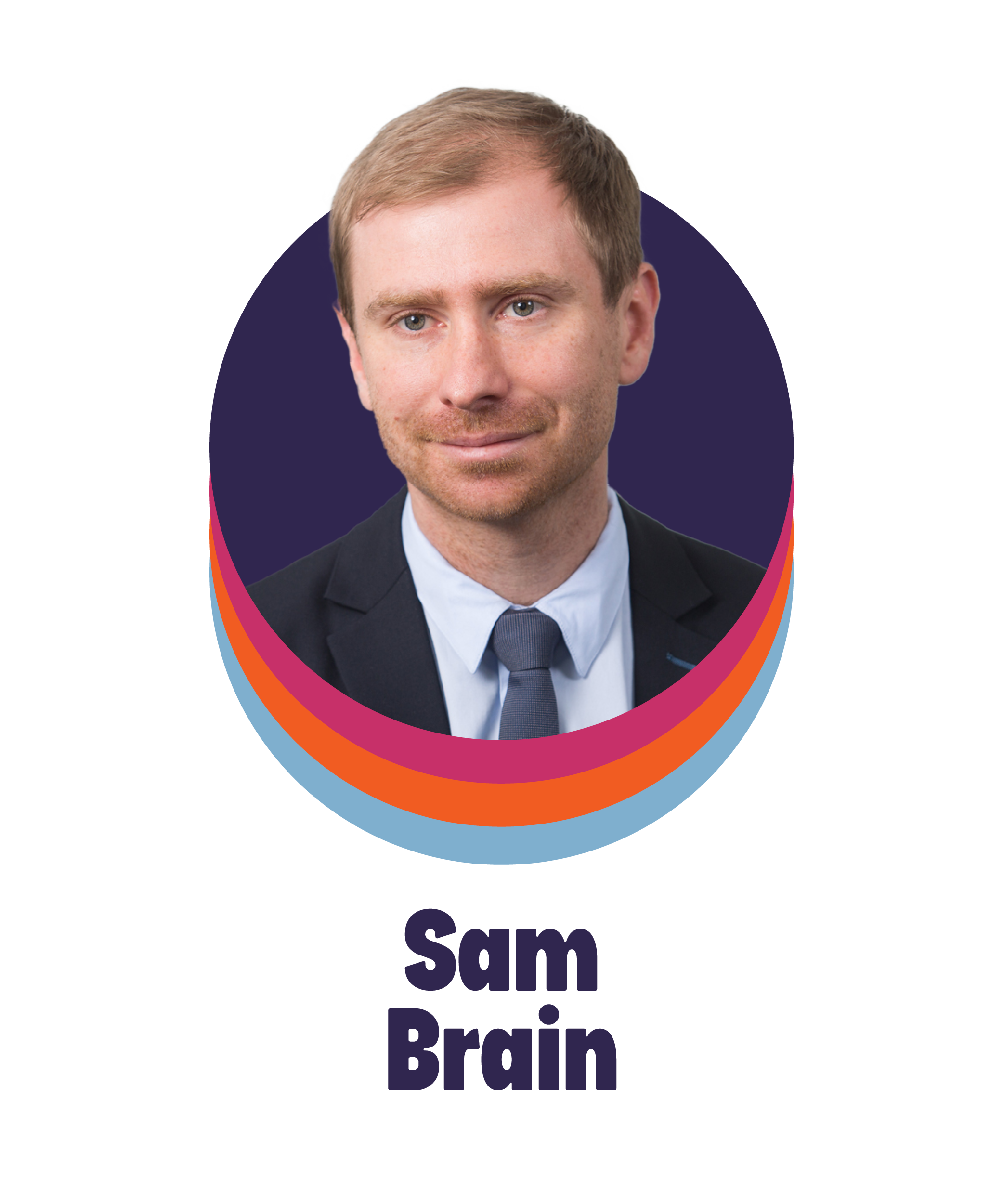
Sam is a Director in Deloitte Access Economics’ education practice and leads their work in inclusive education. He is a national expert in inclusive education policy and has advised on system design and strategy across the schooling, early childhood and tertiary education sectors.
He specialises in supporting governments to set goals to progressively realise inclusive education and develop structures to achieve them. Sam’s work has led to improvements in system design, service delivery and financing at the federal level and across all states and territories in Australia.
Sam has been connected to the Inclusion and Disability Conference since 2022 and is delighted to continue to be a key speaker. This year, he will draw on his experience evaluating system-wide inclusion reforms. His session will outline how system architecture, capability development and monitoring structures can be designed to support meaningful and sustained progress towards key inclusion goals.
This interactive workshop explores the principles underpinning inclusive education resourcing design and invites participants to apply them across school, network and system levels.
Drawing on the experience of developing and evaluating a functional needs-based funding model, the session will unpack how assessment architecture, funding flows, workforce capability and accountability settings must align to drive meaningful reform.
Participants will be guided through a design process, highlighting common tensions and trade-offs in resourcing reform. Small group activities will provide opportunities to apply principles to real-world scenarios.
The workshop emphasises that funding reform is effective only when embedded within a broader systemic approach. Attendees will leave with practical insights to inform future approaches to designing and adopting an inclusive resourcing approach, relevant for teams from governing bodies, networks and schools.
From deficit to design: Leading inclusive cultures through perspective and equity
Room: Balcony 1+2
Dr Liz Irwin is a highly regarded instructional leadership expert working at the intersection of leadership, whole-school improvement and high-impact teaching and learning. With experience across the United States and Australia, she partners with principals and system leaders to translate strategic vision into measurable improvements in teaching quality and student achievement.
An EMCC Global Individual Coach/Mentor and EIA-certified coach, Liz is recognised for strengthening leaders’ capability to lead and coach instruction with precision. She sharpens leadership focus on curriculum, pedagogy and assessment, ensuring improvement agendas are anchored in classroom practice, evidence and feedback. Her work builds high-performing, instructionally focused teams and embeds collective teacher efficacy as a driver of sustained impact.
Liz specialises in co-designing rigorous, equitable improvement frameworks that align leadership, professional learning and data-informed decision-making. She challenges deficit thinking, raises expectations and supports leaders to cultivate inclusive cultures where accountability and professional trust coexist. Her extensive experience in designing impactful professional learning ensures shifts in practice are both strategic and sustainable.
For leaders determined to move beyond initiative overload toward coherent, evidence-informed improvement, Dr Liz Irwin brings clarity, courage and deep, practical instructional expertise.
If inclusion is our goal, whose voices shape how we pursue it? This interactive 90 minute workshop challenges leaders to confront the assumptions that quietly influence school culture, curriculum design and whole school planning practices. Participants will critically examine the hidden drivers of exclusion: deficit thinking, implicit bias and entrenched narratives about inclusion, disability and difference.
Drawing on different equity and inclusion frameworks, participants will:
- Explore how perspective-taking and framing disrupts entrenched narratives about disability and difference
- Experience practical strategies for reviewing curriculum and assessment through an inclusion and equity lens
- Explore how to strategically build an equity-centred and culturally responsive whole school improvement design of inclusive practices
Leaders will leave with practical protocols, reflective questions and actionable strategies to initiate courageous conversations, interrogate existing practice and lead sustainable, system-level change.
Ideal for leaders committed to aligning inclusive values with curriculum, assessment and organisational design.
Success for All: Building an Inclusive Culture through Practice
Room: Balcony 3+4
At Berri Regional Secondary College, inclusion is not a program, it is embedded in everyday practice. Grounded in our vision of Success for All, this session explores how we create a culture where every learner, regardless of starting point or background, has a genuine opportunity to succeed.
Rather than focusing on theory, this workshop will share practical, classroom-ready strategies that support inclusive teaching, learning and assessment. Participants will see how consistent routines, high expectations and intentional learning design create environments where all students can access, engage and achieve.
A key feature of this work is the Inclusion House Cup, a student-led initiative that reimagines traditional school structures to maximise participation, strengthen belonging and build connection. What began as an event has evolved into a model for student agency and inclusive practice across the school.
Through real examples, participants will leave with clear strategies and approaches they can implement immediately, alongside an understanding of how whole-school culture and classroom practice connect to support every learner.
WORKSHOP SESSION 2
Tuesday 26 May 2026
11.00 - 12.30
Designing relevant adjustments with students: Tools for accessible consultation
Room: Ballroom A
The Disability Standards for Education 2005 outline the legal obligations and duties of education providers, designed up uphold students’ right to an inclusive education. Key obligations are to provide reasonable adjustments and to consult the student about those adjustments. Consultation about adjustments make practical sense, because students are best placed to identify the barriers they experience as individuals, ensuring relevance, effectiveness, practicality, and appropriateness. But how can educators achieve consultation in real-world settings, especially when it comes to students with a disability impacting language and communication? In this workshop, I will unpack empirically tested processes for student consultation and collaborative design and implementation of adjustments. This session will give attendees the opportunity to consider possible barriers in the consultation process and strategies to make consultation accessible for students across the ages and stages of school education. Finally, I will share practical and open access resources to put theory into practice so that educators feel confident to make student consultation a reality in their context.
Building an inclusive classroom by rigorously using the Australian curriculum
Room: Ballroom C
Often in inclusive education we talk about the need for adjustments for individual students. The planning and implementation of adjustments assumes that the Australian Curriculum is being implemented accurately. What happens if this is not the case? What happens if these adjustments are what is allowed for all students in relation to the Australian Curriculum? In the ACARA definition of equity, referred to as the concept of ‘On the Same Basis,’ all students are entitled to rigorous (accurate), relevant and engaging learning opportunities drawn from the Australian Curriculum and set in age-equivalent learning contexts. If the Australian Curriculum is not used rigorously this can lead to negative educational outcomes for students and overworked teachers.
During this workshop participants will explore how to ensure that the Australian Curriculum (V9.0) is used in an inclusive and rigorous manner, ensuring it is accessible for all learners. This is achieved by collaboratively defining the cognitive verbs and key terminology, discussing what the Achievement Standards require students to ‘demonstrate’ and ‘not demonstrate,’ and avoiding adding construct irrelevant variables. In relation to the Content Descriptions, teachers need to collaboratively determine the essential knowledge to be taught and skills to be modelled. If these processes aren’t present in your school, how can you ensure you aren’t working unnecessarily hard and unintentionally establishing barriers to the learning process for your students?
Hiding in Full Sight: Developmental Language Disorder (DLD) and the Important Role Classroom Teachers Play
Room: Ballroom B
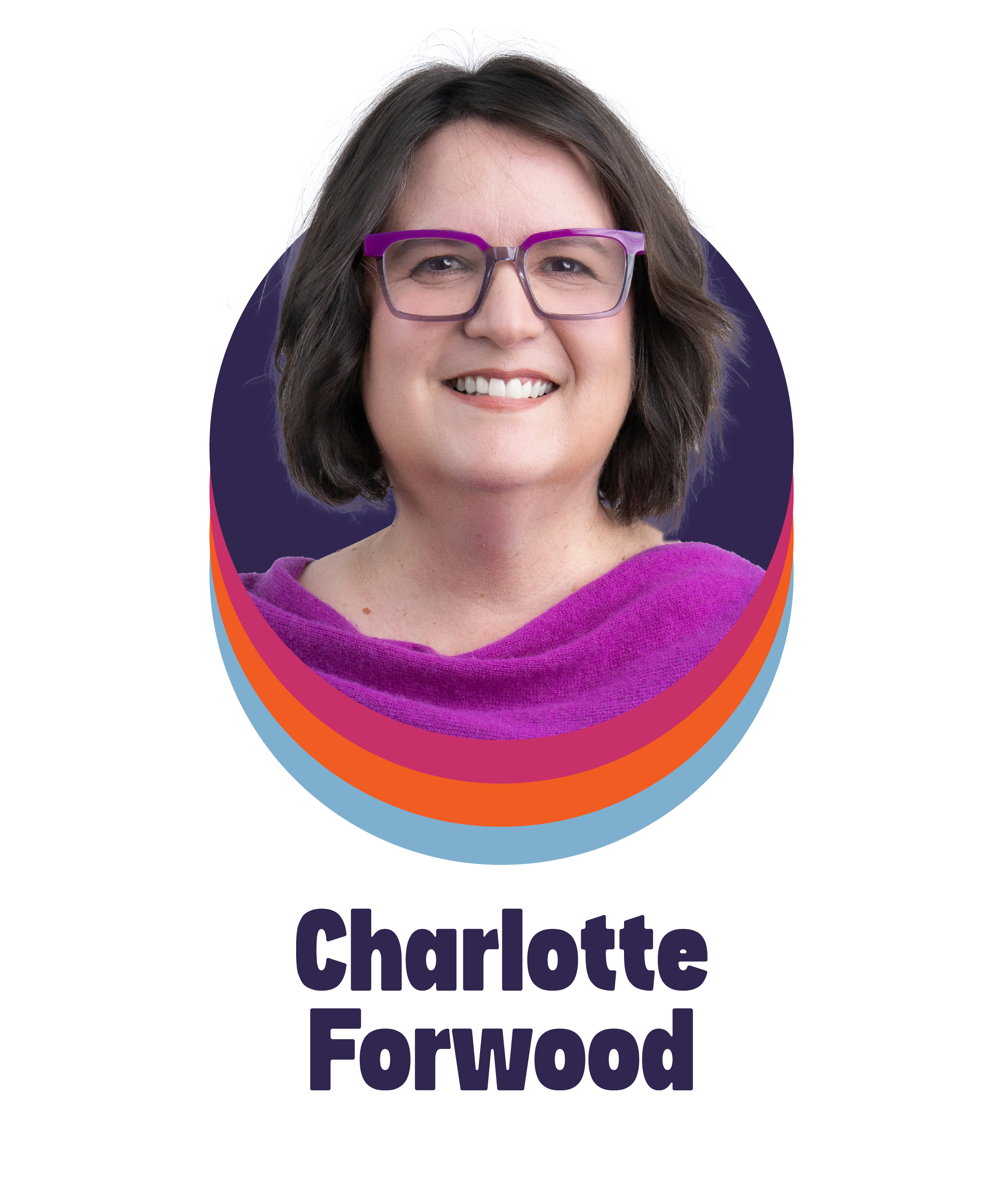
Charlotte is a dually registered Primary/Secondary Teacher and Certified Practising Speech Pathologist with experience working in government, independent and special schools (Foundation to Year 12) in Australia and the UK. She has a particular interest in vocabulary development, language and literacy skills, Developmental Language Disorder, the learning sciences, curriculum design and design thinking. She enjoys sketchnoting, tinkering with tech and helping students find their voice.
Charlotte is currently the Director of Research and Design at Camberwell Girls Grammar School, and Professor of Practice, Education and Impact in the School of Education at La Trobe University. She teaches within the university’s highly regarded SOLAR Lab. Charlotte is a Global Ambassador for Raising Awareness of Developmental Language Disorder, co-coordinator of the Melbourne and Beyond Gifted Network and a learning designer for The DLD Project.
Developmental Language Disorder (DLD) is a common yet hidden neurobiological condition affecting approximately 1 in 14 students – that’s about 2 students in every classroom. While it is more prevalent than autism, it is lesser known and understood.
Teachers play an important role in supporting students with DLD to achieve academic success, participate in school and thrive. Academic achievement is the highest protective factor for mental health, while poor academic achievement is the highest risk factor for mental health issues, so the practices teachers use in their classrooms make a difference.
This interactive workshop will include:
- Exploration of DLD to build knowledge and understanding
- Insights into the impact of DLD
- Explanation of co-occurring conditions
- Powerful teacher practices
- Resources to support ongoing understanding of DLD, implementation of practices and awareness raising.
From Framework to Practice: Implementing the Australian Teaching Assistant Professional Standards (ATAPS) in Your School
Room: Balcony 3+4
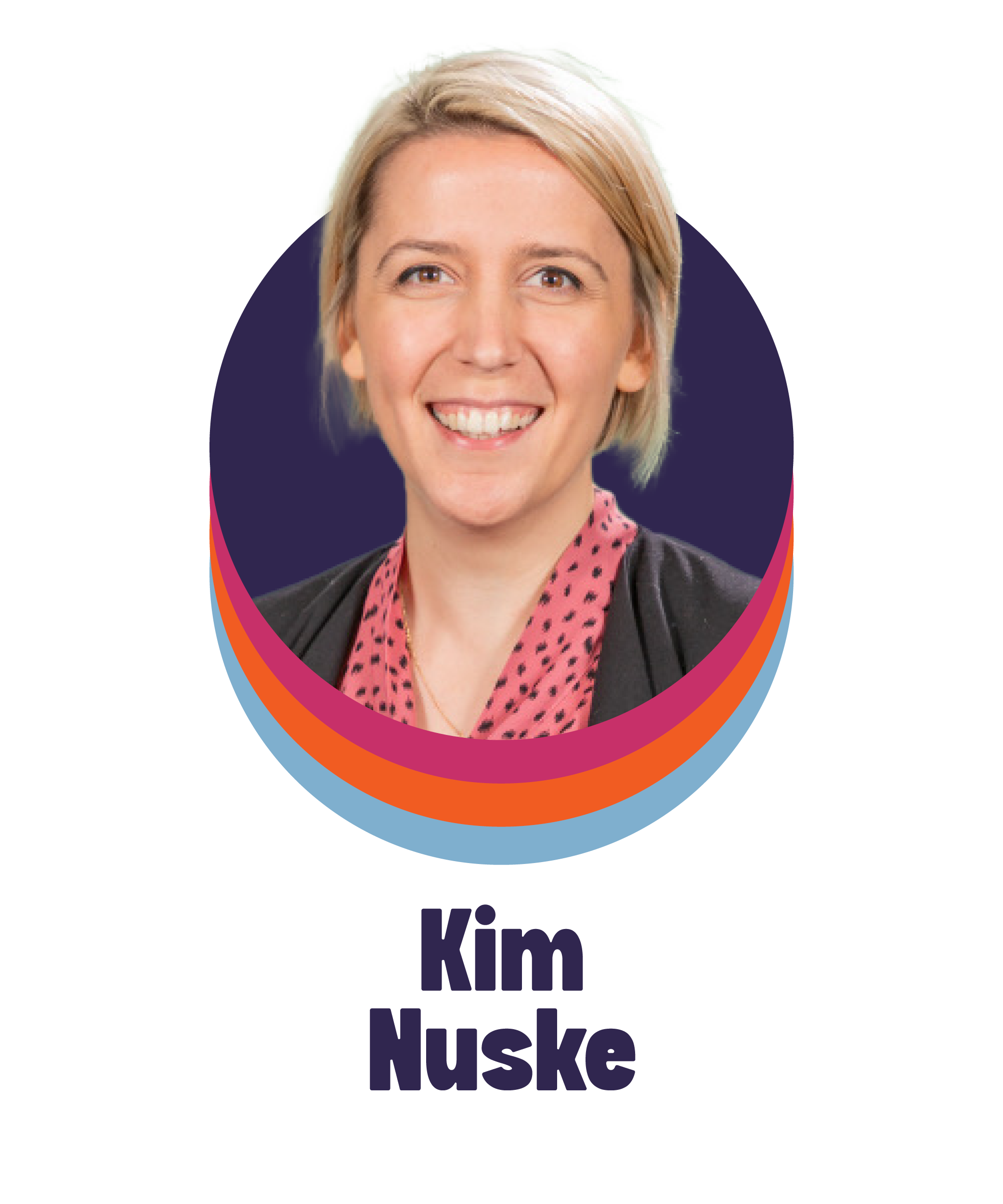
Kim Nuske is passionate about inclusive education; she has ten+ years teaching experience, and during that time has taught a range of year groups, and held various leadership roles, including Head of Inclusion in a P-12 school.
Kim completed a master's degree with a specialisation in Special Education after recognising that her Bachelor of Education degree did not equip her with enough tools to teach the full bell curve of students in her classes.
Kim joined the team at Australian Teacher Aide at the beginning of 2024 and is passionate about empowering educators, both teacher aides and teachers, to feel confident in being inclusive educators. Kim was a key contributor to the development and launch of the Australian Teaching Assistant Professional Standards (ATAPS), and she has created many supporting resources since, including the ATAPS Facilitator Training to help school leaders implement the standards framework into their school’s performance and professional growth framework.
This 90-minute interactive, practical workshop is designed for inclusion leaders and line-managers of teaching assistants, and school leaders who are ready to move to a coherent, strategic approach to using teaching assistants in school settings.
Participants will engage in a guided readiness check, explore how the framework aligns with their current systems, and map their own teams to identify opportunities for greater impact. Leaders will leave with practical implementation tools, including structured conversation starters, a team mapping process, and a step-by-step implementation timeline, to confidently embed ATAPS within their school context.
At its core, this workshop reflects ATA’s commitment to walking alongside school leaders. When teaching assistants are supported with clarity, purpose, and professional learning, they don’t just support, they empower young learners!
MorThemes: A Practical Approach to Building Literacy Through Morphology
Room: Balcony 1+2
MorThemes is an explicit literacy intervention aligned with the Australian Curriculum and developed in partnership between educators and a speech pathologist. Designed for Deaf and Hard-of-Hearing students, including those with complex learning profiles, the program systematically builds literacy by integrating morphological awareness, functional vocabulary, and syntax instruction.
Many students with language learning needs do not confidently master English structures through incidental exposure. MorThemes explicitly teaches high-utility morphemes and organises vocabulary into word families, giving students reliable strategies to analyse unfamiliar words, expand their vocabulary, and approach written language with greater confidence.
Initial implementation in several sites has shown improved ability among Deaf and Hard-of-Hearing students to generate morphologically related words, build curriculum-linked vocabulary, and write with increased complexity. Interest in MorThemes continues to grow locally and interstate as schools seek practical, evidence-based literacy approaches.
This 90-minute workshop provides a program overview and demonstrates how morphology can be embedded in whole-class instruction using structured wordlists and low-preparation strategies. Participants will explore classroom-ready examples that support students whose literacy skills differ from their chronological age. Attendees will leave with a clear framework and tools for morphology-based literacy instruction in their setting.